 24 Hour Towing South Bend
- Home
- Emergency & RoadsideEmergency TowingLocal TowingJump StartsTire ChangesFuel DeliveryLockout Service24 Hour TowingSame Day TowingRecovery & LoadingFlatbed TowingWinch Out / Vehicle RecoveryAccident RecoveryOff-Road RecoveryAbandoned Vehicle RemovalHeavy & CommercialHeavy Duty TowingSemi Truck TowingBox Truck TowingRV & Motorhome TowingSpecialty VehiclesMotorcycle TowingClassic / Exotic Car TowingElectric Vehicle TowingOtherLong Distance TowingJunk Car RemovalAffordable TowingView All Services →
- Blog
- FAQ
- About Us
- Contact
Thanksgiving Travel Through South Bend: Beating I-80/90 Traffic Safely
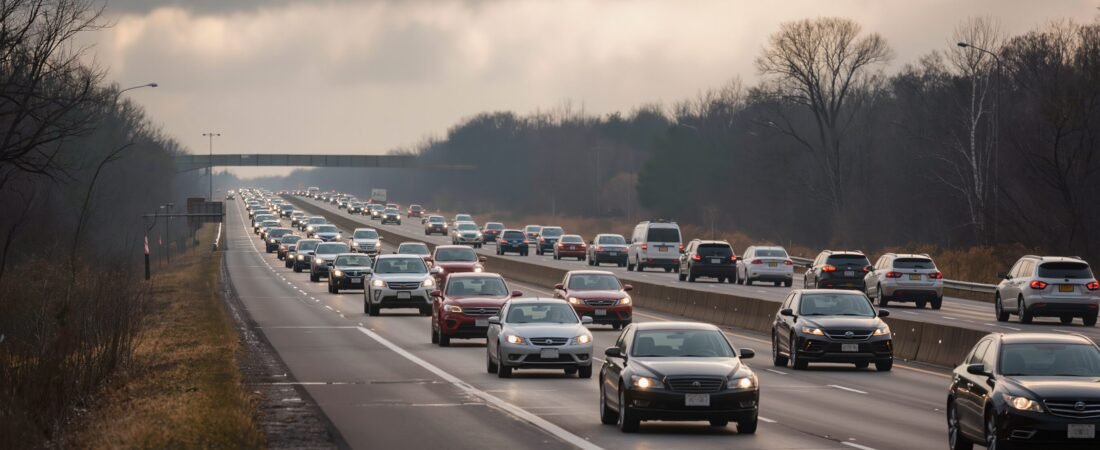
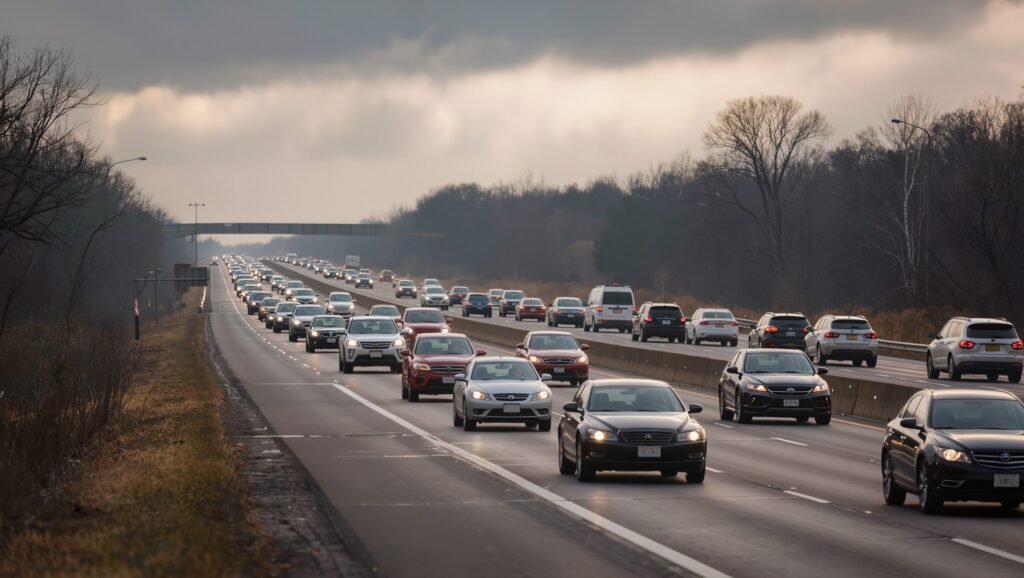
Long-distance travel jumps as much as 50 percent around Thanksgiving, and South Bend sits right on I-80/90, a major east-west corridor that gets noticeably heavier in the days before and after the holiday. Here is how to get through it without becoming part of the problem.
Know the Actual Worst Days
The Wednesday before Thanksgiving and the Sunday after are consistently the two heaviest travel days of the entire year on interstates like I-80/90. If your schedule has any flexibility at all, traveling on the holiday itself or a day earlier than the Wednesday rush is usually noticeably lighter.
Prep the Car Before You Load It
Check tire pressure and tread, top off fluids, and test your battery before a long trip — a five-minute check at home beats finding out about a weak battery at a rest stop 200 miles from South Bend. Pack a phone charger and a basic emergency kit in case of delays.
Watch for Early Winter Weather
Late November in Michiana can bring an early snow or ice event, and a lot of Thanksgiving travelers are driving unfamiliar routes at unfamiliar speeds for the conditions. Check the forecast for your whole route, not just South Bend, since conditions can vary a lot between here and wherever you are headed.
If Something Goes Wrong on the Road
Heavier holiday traffic means longer response windows almost everywhere, not just here — so building in extra time matters more than usual. If you break down, get as far onto the shoulder as safely possible, hazards on, and call for help rather than trying to push through to the next exit.
Alternate Routes Worth Knowing
When I-80/90 backs up heavily around South Bend during peak Thanksgiving travel, US-20 and US-31 both run roughly parallel and can be worth checking as an alternate, especially for shorter regional trips rather than a full cross-country haul. A GPS app with live traffic data will usually catch a building backup before it becomes obvious from inside the car, so it is worth glancing at before you commit to a route rather than after you are already stuck in it.
What a Longer Wait Actually Means for You
A longer response window during peak holiday travel does not mean help will not come — it means the same volume of trucks is covering more calls across a wider area than a normal Tuesday. Being patient and staying safely positioned matters more than repeated follow-up calls, which can actually slow things down by tying up dispatch. If you are traveling with others, having someone not driving handle communication with the towing company while you focus on staying safe at the scene is a small thing that makes a real difference during a busier-than-usual call queue.
Common Questions
Breaking Down on Your Thanksgiving Trip?
We handle long distance towing throughout the holiday travel season. Contact us or call now.